


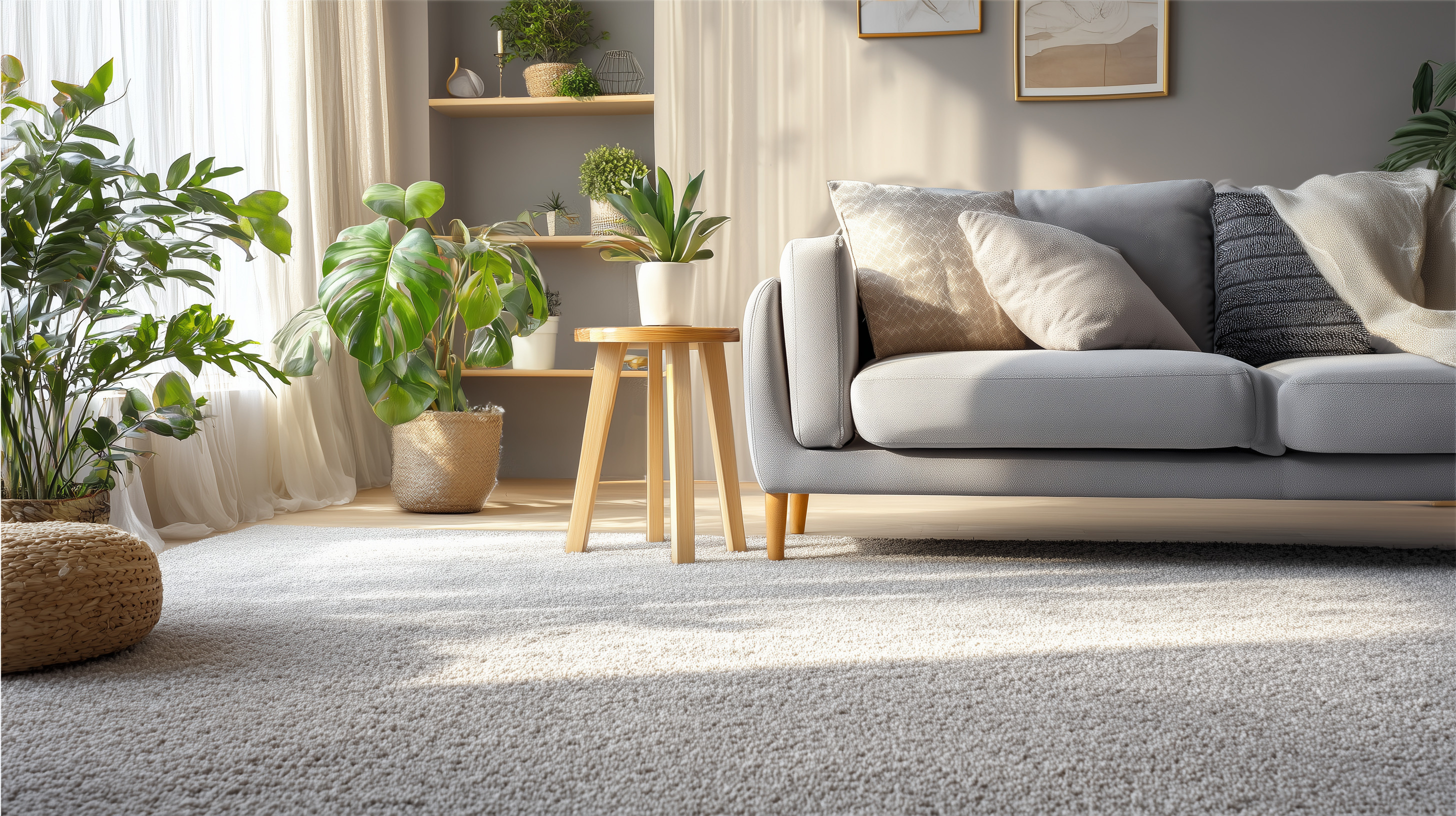
Choosing new carpet involves more than finding a color that complements your furniture. The fiber underneath determines how well the carpet handles foot traffic, resists stains, maintains its appearance, and feels underfoot. Two popular options are nylon and polyester, each offering different advantages for residential spaces. Understanding the differences between nylon carpet flooring and polyester carpet flooring can help you choose a material that fits your household, lifestyle, and budget.
Understanding Nylon and Polyester Carpet Fibers
Nylon is a synthetic fiber known for its strength and resilience. It can withstand repeated foot traffic and generally recovers well after compression from furniture or regular walking. This makes it a popular choice for busy areas such as hallways, family rooms, and stairs.
Polyester is another synthetic fiber valued for its softness, vibrant color options, and stain resistance. It is often available at a more accessible price point, making it appealing to homeowners who want comfortable carpet without stretching their budget. Both materials come in different textures, pile heights, and constructions. Their performance also depends on carpet density, twist, backing, and manufacturing quality.
Comparing Durability and Everyday Wear
Durability is one of the biggest differences between these carpet fibers. Nylon generally performs better in areas with frequent activity. Its resilience helps the fibers recover after being compressed, which can help the carpet maintain its original appearance over time.
Polyester feels soft and comfortable, but it typically does not recover from heavy compression as effectively as nylon. In a busy hallway or family room, flattened areas may become noticeable sooner.
Consider these practical differences:
Nylon: Better suited to heavy foot traffic, frequent furniture movement, and active households.
Polyester: A good option for bedrooms, guest rooms, and other spaces with lighter activity.
Nylon: Generally maintains its texture and appearance well with appropriate care.
Polyester: Offers comfortable softness and attractive color options, although heavy use can affect its appearance.
Carpet construction matters, too. A dense, well-made polyester carpet may outperform a lower-quality nylon product in certain situations. Compare the complete carpet rather than choosing based on fiber name alone.
Which Carpet Fiber Resists Stains Better?
Stain resistance is another important consideration, particularly in homes with children, pets, or frequent visitors. Polyester naturally resists many water-based stains because the fiber has low absorbency. This makes it easier to manage certain everyday spills before they become permanent marks.
Nylon is naturally more absorbent, so untreated nylon may be more vulnerable to staining. However, many nylon carpets receive protective treatments that improve their resistance to spills and household stains. When comparing samples, ask whether the carpet includes a stain-resistant treatment and what types of stains the manufacturer covers.
Also check the recommended cleaning products because harsh chemicals can affect protective treatments. Neither fiber eliminates the need for prompt cleanup. Blot spills rather than rubbing them, and follow the manufacturer's care instructions.
Comfort, Appearance, and Budget
If softness is your priority, polyester deserves a closer look. Its fibers often create a plush, comfortable surface that feels pleasant in bedrooms and relaxing spaces. Nylon also comes in soft constructions, but its main advantage is generally resilience rather than softness alone.
Both fibers offer plenty of design flexibility. You can find neutral shades, textured patterns, loop constructions, and different pile heights. Color and texture can influence how easily everyday dirt, footprints, and vacuum marks become visible. Price is another consideration.
Polyester is often less expensive upfront, while nylon may cost more because of its durability and performance characteristics. Think about how long you expect to keep the carpet. A lower initial price may be attractive for a guest room, while a more resilient fiber could offer better long-term value in a heavily used living area.
How to Choose the Right Carpet for Each Room
Instead of selecting one fiber for the entire house, consider the demands of individual spaces.
Bedrooms: Polyester can provide softness and comfort where traffic is relatively light.
Living rooms: Nylon is worth considering when the space receives frequent daily activity.
Hallways and stairs: Nylon generally offers better resilience under repeated foot traffic.
Guest rooms: Polyester may provide an appealing combination of comfort and affordability.
Family rooms: Compare dense constructions in both fibers, especially if children and pets regularly use the space.
Also examine carpet density, pile height, and twist. These characteristics influence how the carpet feels and performs alongside the fiber itself.
Find a Carpet Fiber That Fits Your Home
Nylon is often the stronger choice for busy spaces where long-term resilience matters. Polyester can be an excellent alternative when softness, stain resistance, and upfront affordability are higher priorities. The right carpet depends on how each room is used and which qualities matter most to your household.
Epic Floors and Cabinets offers carpet flooring options to help homeowners compare materials, textures, and styles. Contact the team to discuss your flooring needs, and visit Rancho Santa Margarita, CA to experience different carpet fibers firsthand. Homeowners throughout Coto De Caza, Mission Viejo, Trabuco Canyon, Lake Forest, San Juan Capistrano, and Ladera Ranch, CA can explore options that balance comfort, durability, and everyday value.